

Retiring in Philadelphia: Discovering the Real Life and Lifestyle in the City

Updated: Sep 17
For years, retirement was presented as a fairly predictable plan. Sell the family home, move somewhere warmer, buy something smaller, and spend the next chapter of life slowing down.
But that is not what everyone wants.
Melanie and I are meeting more people who see retirement as an opportunity to build a fuller life, not simply a smaller one. They want to walk to dinner, take classes, visit museums, see friends, stay close to their children and grandchildren, and live somewhere that gives them a reason to get out of the house.
For the right person, Philadelphia can be a great place to do exactly that.
Retiring in Philadelphia does not necessarily mean moving into a high-rise condo or giving up your car, although both are options. It might mean trading a large suburban home for a historic rowhome near a park. It could mean choosing a newer townhome with room for visiting family. Or it might mean finding a quieter neighborhood where restaurants, shops, healthcare, and public transportation are still nearby.
The goal is not just to find a home with fewer bedrooms. It is to create a daily life that feels easier, more interesting, and more connected.
Why Retire in Philadelphia?
Philadelphia offers something that can be difficult to find in many traditional retirement destinations: a true city lifestyle without the overwhelming size, pace, or expense of places like New York or Washington, D.C.
You can live near world-class museums, respected healthcare systems, independent restaurants, neighborhood parks, historic streets, theaters, farmers markets, and hundreds of locally owned businesses. Depending on the neighborhood, many of those places may be within a short walk of home.
Pennsylvania can also be attractive from a retirement tax perspective because Social Security benefits and many qualifying forms of retirement income are generally not subject to Pennsylvania state income tax. Since everyone’s financial situation is different, it is still important to speak with a qualified accountant or financial advisor before making a decision. You can also find general information through the Pennsylvania Department of Revenue.
Access to healthcare is another major consideration. Philadelphia is home to extensive healthcare networks, including Penn Medicine and Jefferson Health, along with specialty practices and medical facilities throughout the city and surrounding suburbs.
Of course, none of those advantages matters if you do not enjoy living here. The real reason to retire in Philadelphia is the life you can build between appointments, financial decisions, and household responsibilities.
What Does Retirement in Philadelphia Actually Feel Like?
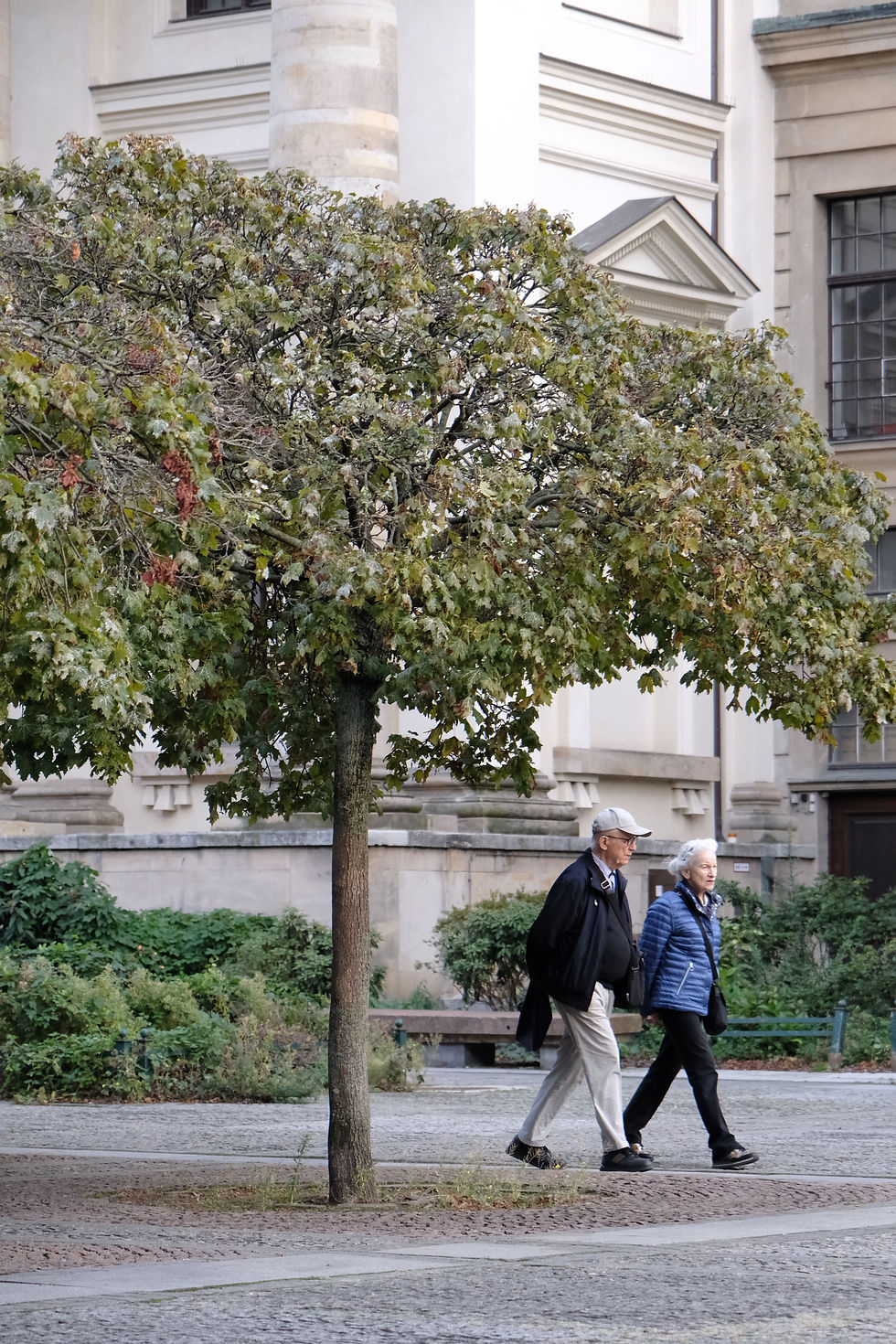
A typical day might begin with a walk through your neighborhood for coffee, followed by a stop at a local market or grocery store. You could meet a friend for lunch, take a class, visit a museum on a quiet weekday afternoon, or simply sit in one of the city’s parks and people-watch.
Dinner does not need to be a special event that requires a 45-minute drive. In many Philadelphia neighborhoods, it can be a five-minute walk.
That kind of daily convenience can make retirement feel more social and spontaneous. Instead of having to plan every outing, you live somewhere that naturally puts people, businesses, parks, and activities around you.
Philadelphia is still a city, though. There will be traffic, delivery trucks, construction, occasional noise, and blocks that feel busier than others. The experience can change significantly from one neighborhood to the next and sometimes from one block to the next.
That is why choosing the right neighborhood is just as important as choosing the right home.
Retiring in Center City: Walkability, Dining, Condos, and Culture
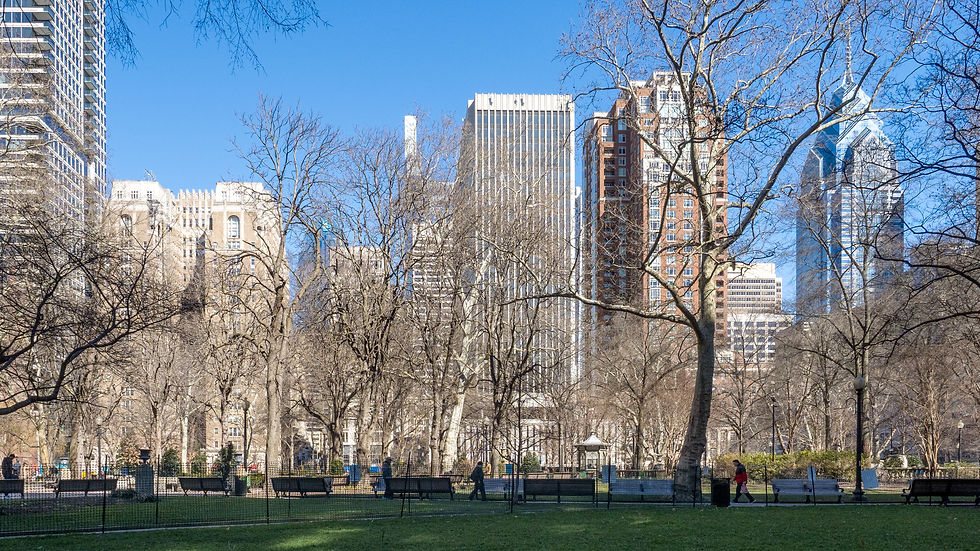
For someone who wants to simplify homeownership while staying active, Rittenhouse Square, Fitler Square, Logan Square, Washington Square West, and other parts of Center City are natural places to begin a search.
These neighborhoods can put restaurants, grocery stores, pharmacies, parks, medical offices, cultural institutions, and public transportation close to home. Depending on the exact location, you may be able to use your car very little or give it up altogether.
In Rittenhouse Square, you could walk around the park in the morning, pick up groceries or prepared food from Di Bruno Bros., and meet friends for lunch overlooking the square at Parc.
Those are not just occasional tourist activities. For people who live nearby, they become part of the weekly routine.
Living near Logan Square or the Art Museum Area places you close to the Barnes Foundation, the Philadelphia Museum of Art, the Benjamin Franklin Parkway, and the Schuylkill River Trail.
You can spend a quiet afternoon at a museum, walk along the river, and then meet friends for dinner without needing to move your car.
Nearby Fairmount Avenue also has independent neighborhood restaurants such as A Mano, an intimate BYOB that feels like part of the surrounding community rather than a large downtown restaurant.
Condo living can make this lifestyle easier. An elevator, door staff, package room, fitness center, garage parking, and exterior maintenance handled by the building can remove quite a bit from your weekly to-do list.
However, not every condo building is equally well-run.
Before purchasing, it is important to review the building’s finances, reserves, insurance, rules, planned projects, recent assessments, and history of fee increases. A beautiful lobby does not tell you whether the building is financially healthy.
Monthly condo fees should also be evaluated in context. A higher fee may include water, heat, building insurance, maintenance, staff, amenities, and services you would otherwise pay for separately.
The real question is not simply whether the fee is high. It is what you receive for it and whether the building is responsibly preparing for future expenses.
Retiring in Philadelphia’s Historic Neighborhoods
For people who want a quieter residential feeling without leaving the center of the city, Society Hill, Queen Village,
Bella Vista, Old City, and parts of Washington Square West can offer a wonderful balance.
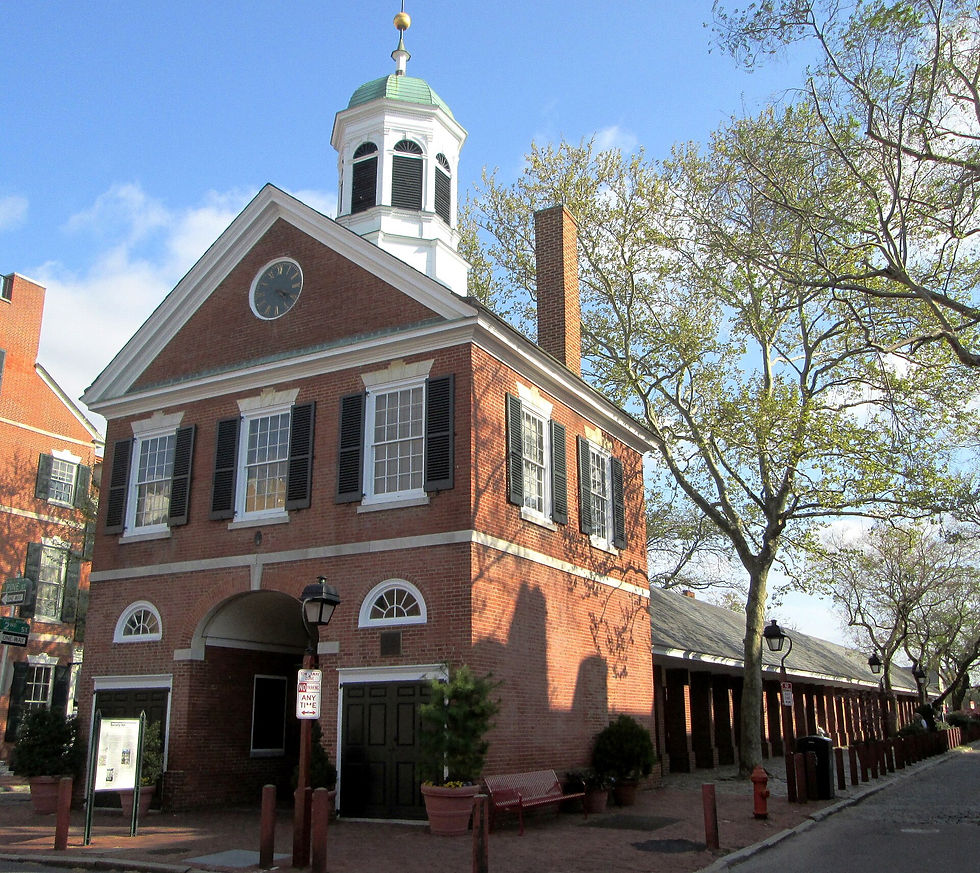
These neighborhoods have tree-lined streets, historic architecture, pocket parks, independent shops, and restaurants that feel woven into the community.
Living in Society Hill or Queen Village might mean spending Sunday morning at the year-round Headhouse Farmers Market, having dinner at Zahav or Talula’s Garden, and walking through Washington Square on the way home.
In Bella Vista, the Italian Market and surrounding blocks create a completely different rhythm. You can shop for ingredients, grab a cup of coffee, and make dinner at home, or let someone else do the cooking at Fiorella, an intimate pasta bar located inside a former South Philadelphia sausage shop.
The housing in these neighborhoods often includes historic rowhomes, trinities, boutique condominiums, and converted industrial or commercial buildings. That variety is part of the appeal, but it also means accessibility needs to be considered carefully.
A charming three-story rowhome may be perfect today, but it is worth thinking about how the stairs will feel in 10 or 15 years. Older homes can also come with narrow staircases, smaller bathrooms, uneven sidewalks, limited storage, basement laundry, and aging mechanical systems.
That does not automatically make them a bad retirement choice. It simply means the romance of the house should be balanced with an honest look at how it will function over time.
Retiring Near the Museums and Fairmount Park
Fairmount, Spring Garden, and the Art Museum Area can be especially appealing to someone who wants a neighborhood atmosphere with easy access to Center City.
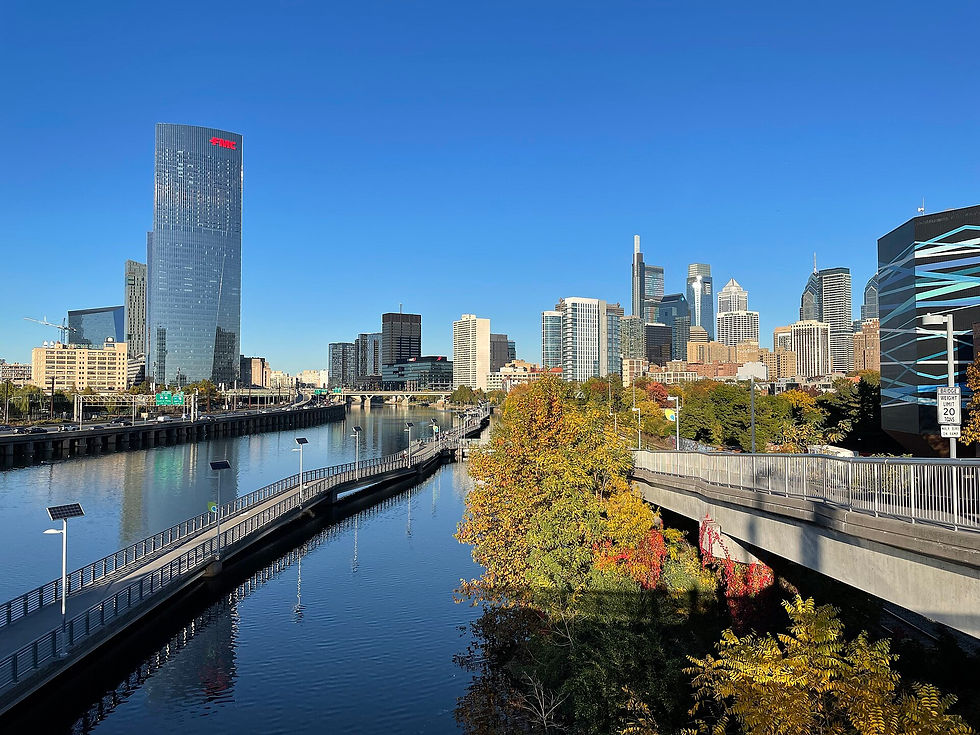
These areas tend to feel more residential than the heart of downtown while still placing you near museums, restaurants, coffee shops, parks, and the river trail.
They also offer a wider range of housing, including traditional rowhomes, newer townhomes, smaller condominium buildings, and larger full-service properties.
This part of Philadelphia works particularly well for someone whose ideal retirement includes walking, biking, museum memberships, neighborhood dinners, and enough activity nearby without feeling as though they are living directly in the middle of everything.
The tradeoff is that some sections are hillier than they initially appear, and many of the homes have multiple levels. It is worth walking the surrounding blocks at different times of day instead of evaluating the property only from a car.
Retiring in Chestnut Hill: A Quieter Side of Philadelphia
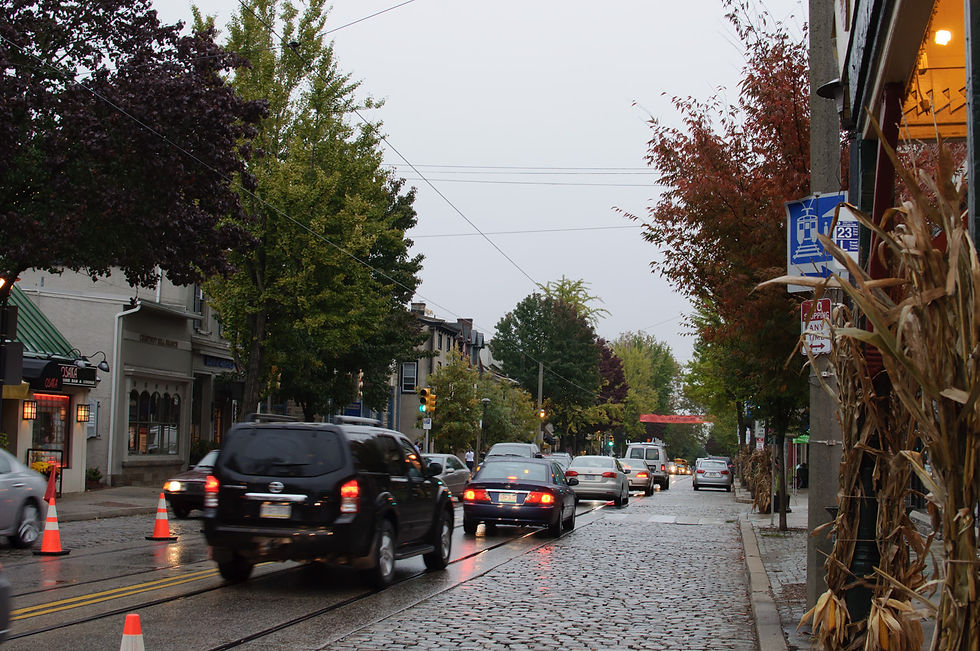
For people who want greenery and a little more breathing room while remaining within Philadelphia, Chestnut Hill deserves serious consideration.
Chestnut Hill feels more like a small town that happens to be part of the city. Germantown Avenue is lined with restaurants, bakeries, boutiques, galleries, and everyday businesses.
The neighborhood also provides access to Wissahickon Valley Park, Morris Arboretum & Gardens, and the Woodmere Art Museum.
You can stop at Baker Street Bread Company for coffee and fresh bread, have lunch at McNally’s Tavern, and spend the afternoon walking through the shops along Germantown Avenue.
Housing ranges from condos and twins to stone homes and larger detached properties. Some buyers choose Chestnut Hill because they want to downsize without giving up outdoor space, a guest bedroom, or the feeling of having a traditional house.
The neighborhood is connected to Center City by Regional Rail, but daily life is different from living downtown. A car may still be useful depending on where the home is located and how frequently you travel outside the neighborhood.
Can You Retire in Philadelphia Without a Car?
In several Philadelphia neighborhoods, absolutely.
People living in Center City, Rittenhouse Square, Washington Square West, Society Hill, Old City, Queen Village, and parts of Fairmount may be able to walk or use public transportation for many of their daily needs.
SEPTA offers a Senior Fare Card for adults 65 and older. Eligible cardholders can use SEPTA buses, subways, trolleys, and Regional Rail within Pennsylvania without paying the standard fare.
That said, “walkable” means different things to different people.
A neighborhood may look walkable on a map but still have uneven sidewalks, busy intersections, steep blocks, or a longer distance to a full grocery store than expected.
Before buying, we recommend trying the routine yourself. Walk from the property to the grocery store, pharmacy, coffee shop, public transportation, and anywhere else you would visit regularly.
Do it in normal shoes, not as part of an adrenaline-filled day of touring homes.
Should You Downsize, Upsize, or Simply Live Differently?
Downsizing is only one option.
Some retirees want fewer rooms, less maintenance, and a lock-and-leave property that makes traveling easier. For them, a condo or smaller rowhome may make sense.
Others want to increase their gathering space. They may need fewer everyday bedrooms than they had while raising children, but they still want a large kitchen, comfortable guest rooms, outdoor space, or enough room for children and grandchildren to stay for extended visits.
Some people are not really downsizing at all. They are right-sizing.
They are giving up rooms they rarely use in exchange for a location they will enjoy every day. A suburban home with five bedrooms might become a two-bedroom condo with a park, restaurants, museums, and friends outside the front door.
The square footage may shrink, but their life does not.
What Should You Look for in a Philadelphia Retirement Home?
The right home should work for your life now while giving you flexibility for the future.
Think beyond the finishes and ask practical questions.

Is there an elevator? Could one floor function as your primary living space? Is there a full bathroom that could eventually be made more accessible? How far is the parking space from the home? Who handles snow removal? Can groceries and packages be delivered easily? Are pets permitted? Is there enough room for family to stay without maintaining several unused bedrooms year-round?
For a condo, review the association and its finances carefully.
For a historic home, understand the condition of the roof, sewer line, electrical system, plumbing, heating, cooling, windows, and masonry. If you're considering a rowhome specifically, our Philadelphia rowhome buyer guide goes deeper into the things worth checking before you make an offer.
New construction can reduce some near-term maintenance, but newer does not always mean better. Construction quality, warranties, layout, stair placement, and the long-term usefulness of the home still matter.
The Honest Downsides of Retiring in Philadelphia
Philadelphia is not the right retirement destination for everyone.
Winters can be cold. Parking can be frustrating. Many homes have stairs. Property taxes and condo fees need to be incorporated into your long-term budget. Sidewalk and street conditions vary, and city noise is still city noise.
Philadelphia also asks you to participate in it.
This is not a place where every convenience is delivered inside a private retirement community. Much of the value comes from walking out your front door, supporting local businesses, meeting neighbors, exploring the city, and developing your own routines.
For someone seeking complete quiet and isolation, that may not be appealing.
For someone who wants retirement to feel active, connected, and full of options, it can be exactly the point.
Is Philadelphia the Right Place for Your Retirement?
The best way to answer that question is not by starting with a list of properties.
Start with the life you want.
Do you picture walking to dinner or driving to it? Would you rather have a private backyard or a park outside your building? Do you want door staff and an elevator, or the character of your own front door on a historic street? How often will family visit? Are you hoping to travel? Do you want to keep a car? How important is it to be near a particular hospital, train line, park, or community?
Once those answers are clear, the real estate becomes much easier to evaluate.
Melanie and I help clients look at the full picture, including what to do with their current home, which Philadelphia neighborhoods fit their routines, how different condo buildings compare, and whether a property will continue to work as their needs change.
Retirement should not feel like giving up the life you built.
Done thoughtfully, it can feel like finally having more time to enjoy it.
Ready For What's Next?
Whether you are preparing to sell, beginning your home search, considering a move from the city to the suburbs, or simply trying to understand your options, we would love to be a resource.



Comments